From genetic diagnosis to treatment: The POLG Foundation at the Oxford Harrington Symposium
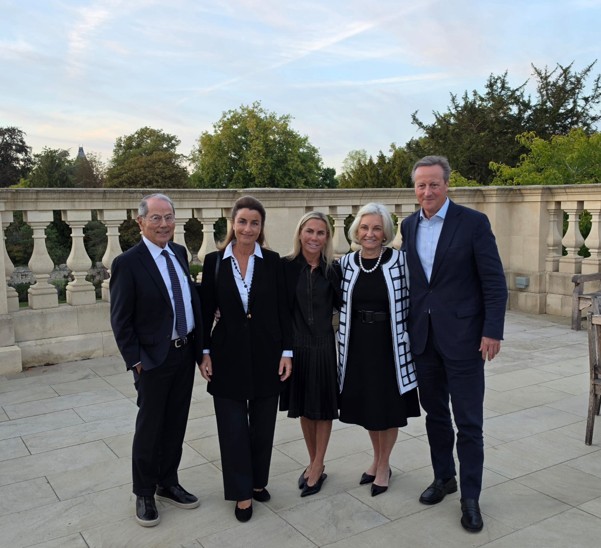
The POLG Foundation joined researchers, clinicians, patient advocates and industry leaders at Trinity College, Oxford, on 23 and 24 September 2026 to explore how advances in rare disease research can reach patients.
For families affected by POLG disease, the ambition is clear: effective treatments and, ultimately, a cure. The Oxford Harrington Rare Disease Centre Symposium addressed the scientific and practical steps needed to pursue that goal, from developing genetic therapies to establishing clinical pathways that make treatment accessible.
New approaches to rare disease treatment
Prof Fyodor Urnov’s presentation explored the ambition of making CRISPR cures available at nationwide scale by 2030. Talks by Prof Haiyan Zhou and Dr Stephanie Manton examined the development of antisense oligonucleotide (ASO) therapies for rare and ultra rare conditions. These approaches use short sequences of genetic material to alter how RNA is processed or used.
Dr Tim Yu’s session on individualised medicines, alongside discussions about delivering bespoke therapies through hospitals, raised an essential question: how can treatment development serve patients whose genetic conditions affect very small populations?
For POLG, these discussions offer valuable scientific perspectives as we assess potential therapeutic approaches. Their relevance must be established through research specific to POLG disease, but progress across the rare disease field provides examples to learn from and new avenues to investigate.
Building the path towards a cure
Prof Patrick Chinnery’s presentation, From Diagnostic Odyssey to New Treatments: a Moral Imperative, reflected the urgency felt by our patient community. A genetic diagnosis can explain a family’s experience, but families also need options that can change the course of the disease.
Finding a cure requires more than a promising discovery. It requires an understanding of disease progression, reliable ways to measure treatment effects, and the partnerships needed to move research into clinical trials.
This is central to the Foundation’s work. Through the PIONEER natural history study, we are building evidence about how POLG disease affects patients over time, helping lay the foundations for future treatment studies. Patients’ and families’ experiences must remain central to that effort.
The symposium’s sessions on the LifeArc Rare Therapies Launch Pad, clinical translation and patient access reinforced the importance of connecting scientific progress with the practical systems needed to deliver care.
Connecting with the rare disease community
The team also met members of the Harrington family, Lord Cameron and Sir John Bell. These encounters offered an opportunity to connect with people supporting the development of treatments for rare diseases.
The Oxford Harrington Rare Disease Centre’s work offers encouragement as we pursue our own mission. We thank the organisers and speakers for sharing their expertise and bringing this community together.
Our goal remains to turn research into effective treatments and ultimately a cure for people living with POLG disease.
